
 Car Accidents
 Motorcycle Accidents
 Uninsured Motorist Accidents
 Bicycle Accidents
 Bus Accidents
 Dog Bites
 Slip and Falls
 Premises Liability
 Product Liability
 Construction Accidents
 Assault & Battery
 Wrongful Death
 Truck Accidents
 Wrongful Termination
 Discrimination
 Sexual Harassment
 Civil Rights
 Wildfires
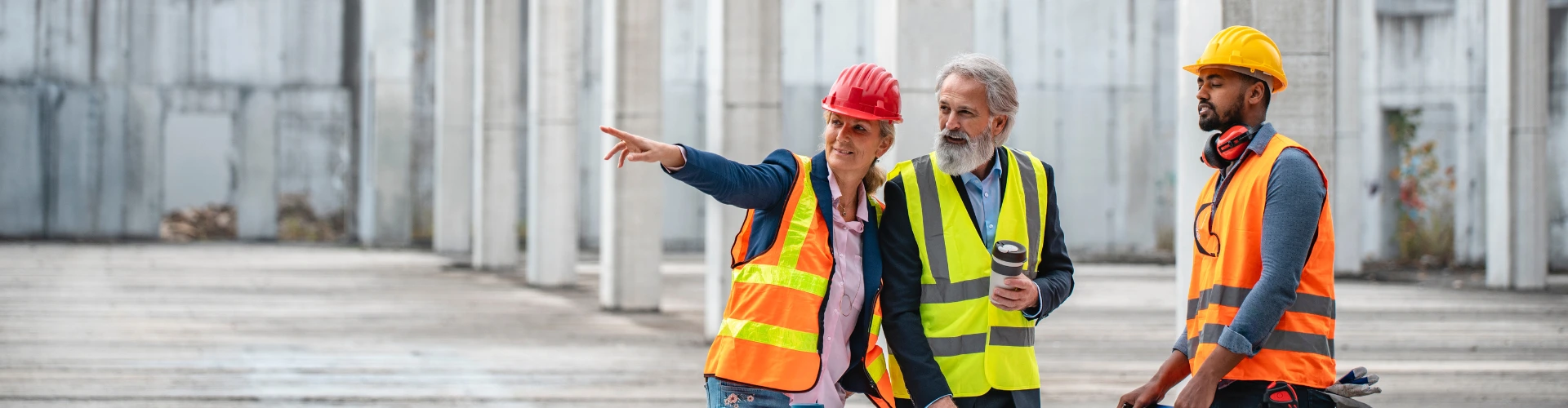
If you’ve ever wondered what the most common type of construction accident is, the answer is clear: falls. Year after year, falls from heights are the leading cause of serious injury and death on construction sites across the country and right here in California. These incidents, along with a few other persistent dangers, create significant risks for the hardworking individuals who build our communities, from new high-rises in Santa Monica to infrastructure projects at the Port of Long Beach.
While a construction site is inherently a place of potential danger, every worker has the right to a reasonably safe environment. When that right is violated, it’s important to know the potential paths to holding the responsible parties accountable.
Contact for a Free Consultation
Key Takeaways about the Most Common Type of Construction Accident
- Falls are statistically the most frequent cause of fatal construction accidents.
- The Occupational Safety and Health Administration (OSHA) identifies the “Fatal Four” major hazards: falls, struck-by-object incidents, electrocutions, and caught-in/between accidents.
- Injuries on a construction site may lead to different types of legal claims, including workers’ compensation and third-party personal injury lawsuits.
- A third-party claim can be filed against a person or company—other than an employer—whose negligence contributed to the injury.
- Documenting the incident, injuries, and related expenses is a critical step for any injured worker.
A Closer Look at the “Fatal Four” Construction Accidents
The Occupational Safety and Health Administration (OSHA), the federal agency tasked with ensuring safe working conditions, has identified four primary hazards on construction sites. Known as the “Fatal Four,” these accident types are responsible for more than half of all construction worker deaths.
According to the latest data from the Bureau of Labor Statistics (BLS), eliminating the Fatal Four would save hundreds of lives each year. For each one, there are common points of failure where negligence can lead to life-altering injuries.
Falls: The Number One Hazard
As mentioned, falls are the most common type of construction accident. The vertical nature of construction work, involving everything from ladders and scaffolding to unfinished roofs and structural steel, creates constant fall risks. A fall from even a seemingly low height can result in devastating injuries, including traumatic brain injuries, spinal cord damage, and multiple fractures.
These incidents are almost always preventable and often stem from a failure to follow established safety protocols. Some of the most frequent scenarios include:
- Falls from Scaffolding or Ladders: Unstable or improperly assembled scaffolding and unsecured ladders are common culprits.
- Falls from Roofs: Workers may fall from a roof edge or through an unprotected hole or skylight.
- Falls into Trenches or Holes: Uncovered or poorly marked excavations pose a significant threat to anyone on the ground.
California has its own robust workplace safety agency, Cal/OSHA, which sets forth specific requirements for fall protection. These regulations require the use of fall protection, such as guardrails or personal fall arrest systems, at elevations of 7.5 feet or higher. When contractors or site managers fail to provide this required equipment or training, they create a needlessly dangerous environment.
Struck-By-Object Incidents
The second most common cause of death in construction involves being struck by an object. On a busy worksite, with materials, tools, and heavy equipment constantly in motion, the potential for a struck-by incident is everywhere. These accidents can happen in a split second and are often the result of carelessness or poor site management.
Examples include a worker being hit by a falling tool that wasn’t properly secured, a swinging crane load, or building materials that collapse. Struck-by accidents also include incidents involving vehicles, where a worker is hit by a company truck, forklift, or other piece of heavy machinery operating on the site. Establishing clear safety zones, properly securing materials, and using spotters for moving vehicles are basic safety measures that can prevent these terrible injuries.
Electrocutions
Construction sites are filled with electrical hazards, from temporary power setups to existing overhead power lines. Electrocution is the third member of the Fatal Four and represents a silent but deadly threat. Unlike a visible fall hazard, an electrical current is often unseen until it’s too late. The human body is an excellent conductor of electricity, and contact with a live current can cause severe burns, internal organ damage, cardiac arrest, and death.
Common causes of construction site electrocutions include:
- Contact with overhead or underground power lines.
- Use of damaged extension cords or tools.
- Improperly installed or grounded electrical systems.
- Working on energized equipment without proper precautions (lockout/tagout procedures).
These accidents highlight the importance of careful planning and communication, especially when work is being performed near active power sources.
Caught-In/Between Accidents
The final category of the Fatal Four is “caught-in/between” accidents. This describes incidents where a worker is crushed, squeezed, pinned, or caught in or between objects. These are among the most gruesome types of construction accidents and are frequently fatal.
Some examples of caught-in/between hazards are:
- Trench Collapses: An excavation that is not properly shored can collapse suddenly, burying workers under tons of soil.
- Machinery Accidents: A worker can get a piece of clothing or a limb caught in the moving parts of a machine, pulling them into the equipment.
- Crushing Incidents: This can happen when a worker is pinned between a large piece of equipment (like a forklift) and a stationary object (like a wall).
Proper machine guarding, following strict trench safety protocols, and ensuring equipment operators are well-trained and attentive are essential for preventing these catastrophic events.
Beyond the “Fatal Four”: Other Common Construction Site Dangers
While the Fatal Four account for the majority of fatalities, they are far from the only dangers present on a construction site. Workers in Santa Monica, Long Beach, and across Southern California face a range of other hazards that can cause serious, long-term injuries.
- Heavy Equipment and Vehicle Accidents: Cranes, bulldozers, excavators, and dump trucks are powerful machines that can cause immense damage when operated improperly or if they are poorly maintained. Accidents can involve rollovers, collisions, or equipment failure.
- Fires and Explosions: The presence of flammable materials, exposed electrical wiring, and gas lines creates a risk of fires and explosions that can cause severe burns and other traumatic injuries to anyone nearby.
- Overexertion and Repetitive Motion Injuries: Not all injuries are from a single, traumatic event. The physically demanding nature of construction work, involving heavy lifting, repetitive movements, and awkward postures, can lead to chronic pain and debilitating conditions in the back, shoulders, and joints over time.
- Exposure to Toxic Substances: Construction sites can expose workers to a variety of hazardous materials, including asbestos, lead, silica dust, and chemical solvents. Prolonged exposure can lead to serious respiratory diseases, cancers, and other long-term health problems.
These additional dangers underscore the comprehensive safety planning and oversight required on any construction project, big or small.
Understanding Your Rights After a Construction Injury in California
If you’ve been injured on a construction site, you may feel confused about your options. The legal framework for workplace injuries can be complex, but it generally involves two main paths: workers’ compensation and third-party claims.
Workers’ Compensation vs. Third-Party Claims
In California, most employers are required to carry workers’ compensation insurance. This is a “no-fault” system, which means you are entitled to benefits regardless of who caused the accident. These benefits are designed to cover your medical treatment and a portion of your lost wages while you recover. The trade-off in this system is that you generally cannot sue your own employer for the injury, even if their negligence was a factor.
However, many construction accidents are caused by the negligence of someone other than your direct employer or a co-worker. This is where a third-party claim comes in. A third party is a separate person or company whose actions contributed to your injury. A successful third-party personal injury claim can provide compensation for damages not covered by workers’ compensation, such as pain and suffering and all of your lost income.
Potential third parties on a construction site could include:
- The general contractor or construction manager responsible for overall site safety.
- A subcontractor whose employees created a dangerous condition.
- The manufacturer or supplier of defective machinery or equipment.
- An architect or engineer who designed an unsafe structure.
- The owner of the property where the construction is taking place.
Investigating a construction accident often reveals that multiple parties failed in their duties, creating a chain of events that led to the injury. A Santa Monica construction accident attorney can review your case to determine if you may have grounds for a third-party claim.
Steps to Take After a Construction Accident
 After receiving immediate medical attention for your injuries, there are important steps you can take from home to help document what happened and protect your ability to seek fair compensation.
Documenting Your Case is Key
Having clear records is incredibly valuable. Once you are able, try to gather and organize as much information as possible about the incident and your recovery process.
- Report the Injury: Make sure you have officially reported your injury to your employer in writing. This creates a formal record of when and how the injury occurred.
- Gather Evidence: If you or a trusted friend or family member can safely take pictures of the accident scene and your injuries, this visual evidence can be very powerful.
- Identify Witnesses: Write down the names and contact information of any co-workers or other individuals who saw the accident happen.
- Keep a Journal: On a regular basis, write down notes about your pain levels, physical limitations, medical appointments, and how the injury is impacting your daily activities. This personal record can be very helpful later on.
- Organize Paperwork: Create a file where you can keep all documents related to your injury, including medical bills, reports from your doctors, letters from insurance companies, and records of your missed work time.
Taking these steps can provide a strong foundation for any future claim and helps ensure that the details of your experience are accurately preserved.
Construction Accident FAQs
Here are answers to some common questions people have about construction site injuries.
Are construction companies required to provide safety training?
Yes. Both federal OSHA and Cal/OSHA regulations require employers to provide training to workers on how to recognize and avoid the specific hazards associated with their jobs. This includes training on fall protection, equipment operation, and handling hazardous materials. A failure to provide adequate training can be a significant factor in determining negligence.
What if my injury was caused by my own mistake?
California follows a legal principle called “comparative fault.” This means that even if you were partially at fault for your own injury, you might still be able to recover compensation from another party who was also at fault. Your potential recovery would simply be reduced by your percentage of fault. This is a key reason why it’s important to have a full investigation of the accident.
How long do I have to file a claim after a construction accident in California?
In California, there are strict deadlines, known as statutes of limitations, for filing legal claims. The timeframe can vary depending on the type of claim (e.g., workers’ compensation versus a personal injury lawsuit) and the specific circumstances of your case. Missing these deadlines can prevent you from ever being able to seek compensation, so addressing the matter promptly is very important.
Can a bystander or visitor sue if they are injured on a construction site?
Yes. Construction companies have a duty to secure their sites to protect not only their workers but also members of the public. If a pedestrian walking past a Santa Monica construction site is hit by falling debris, or a visitor is injured due to an unsafe condition, they may have grounds for a personal injury claim against the responsible contractors or property owner.
What kind of compensation can I receive in a third-party construction accident lawsuit?
A third-party personal injury claim allows you to seek a wider range of compensation than a workers’ compensation claim. This can include payment for all past and future medical expenses, all lost wages and diminished future earning capacity, and compensation for non-economic damages like pain, suffering, and emotional distress.
Speak With a Santa Monica & Long Beach Construction Accident Law Firm

The time after a serious construction accident can be a difficult and confusing period. At Olan Law, we understand the challenges you face and are committed to providing clear guidance and dedicated representation. As a boutique firm founded in 1998, we give every client our full focus and personal attention, fighting to hold negligent parties accountable. Our team has spent over 25 years helping injured individuals in Santa Monica, Long Beach, and throughout Southern California.
If you or a loved one has been harmed in a construction accident, contact Olan Law for a free, no-obligation consultation. We are here to listen to your story and help you understand your legal options.