 Car Accidents
 Motorcycle Accidents
 Uninsured Motorist Accidents
 Bicycle Accidents
 Bus Accidents
 Dog Bites
 Slip and Falls
 Premises Liability
 Product Liability
 Construction Accidents
 Assault & Battery
 Wrongful Death
 Truck Accidents
 Wrongful Termination
 Discrimination
 Sexual Harassment
 Civil Rights
 Wildfires
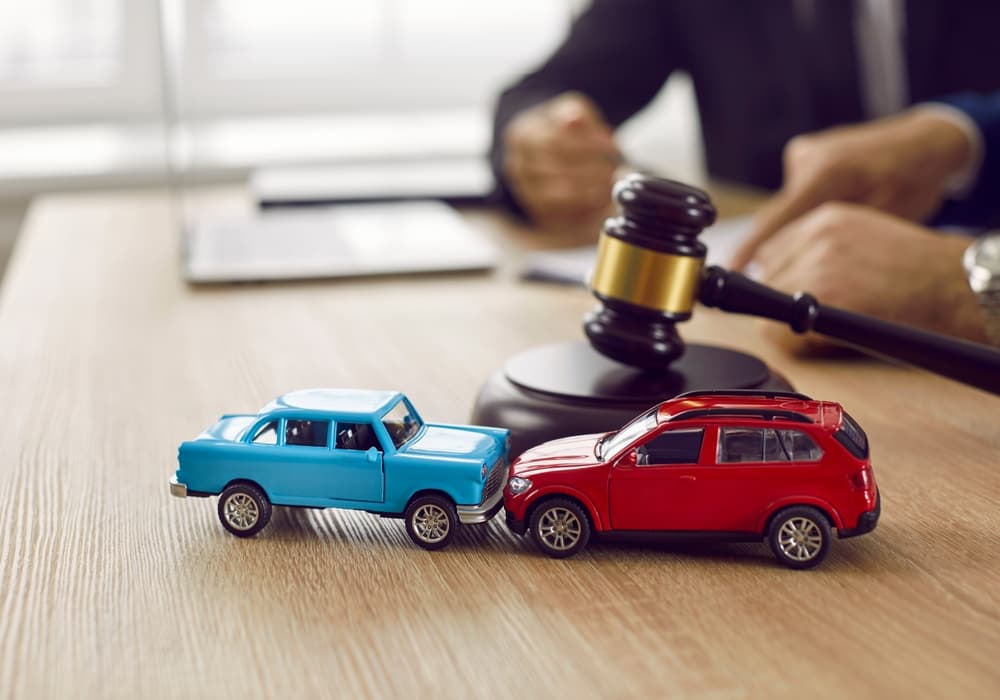
From congested freeways like the I-10 and I-405 to busy local intersections in Santa Monica, Southern California drivers face heavy traffic every day. With so many vehicles, cyclists, and pedestrians sharing the road, collisions are an unfortunate reality.
Motor vehicle accidents take many forms, including rear-end collisions, T-bone crashes, head-on impacts, sideswipes, rollovers, and multi-vehicle pileups. The type of crash often influences the severity of injuries, the evidence needed to prove fault, and how liability is evaluated under California law. Because California follows a pure comparative negligence system, determining exactly how an accident occurred is critical to assessing compensation.
If you have been injured in a crash, you may be dealing with medical bills, lost income, and vehicle damage while trying to understand your legal options. A motor vehicle accident attorney can review the facts of your case, explain your rights, and help you pursue compensation for your losses.
Key Takeaways About Motor Vehicle Accident Claims in California
- Rear-end collisions, T-bone crashes, and head-on impacts each produce different injury patterns and raise different questions about fault under California law.
- California follows a pure comparative negligence system, meaning you may still recover compensation even if you share partial fault for the collision.
- The type of crash you experience directly shapes how liability is determined and what evidence matters most.
- Consulting with a motor vehicle accident attorney soon after a crash helps preserve time-sensitive evidence and protects your ability to file within California’s statute of limitations.
Why Are Rear-End Collisions the Most Common Motor Vehicle Accident?
Rear-end crashes are the most common type of roadway collision in the United States. According to the National Highway Traffic Safety Administration (NHTSA), frontal, side, and rear-impact collisions represent the majority of crashes on American roadways.
Leading Causes of Rear-End Crashes
Driver inattention sits at the center of most rear-end collisions. Several factors regularly contribute to these motor vehicle accidents in Santa Monica and throughout Los Angeles County:
- Following too closely in heavy traffic on the I-405 or I-10
- Sudden braking by the lead vehicle to avoid a hazard
- Wet or slick road conditions that extend stopping distance
- Distracted driving, including texting, eating, or adjusting in-car controls
Even a low-speed rear-end collision may produce soft tissue injuries like whiplash, which might not show symptoms for hours or days after the crash. In many rear-end collisions, the trailing driver is often found at fault because California law requires motorists to maintain a safe following distance, although fault depends on the specific circumstances.
However, if the lead vehicle had broken brake lights or reversed unexpectedly, fault may shift partially or entirely.
What Makes T-Bone and Side-Impact Crashes So Dangerous?
T-bone accidents happen when the front of one vehicle strikes the side of another. These crashes frequently occur at intersections along major Santa Monica thoroughfares like Wilshire Boulevard, Ocean Avenue, and Pico Boulevard. Because car doors and side panels offer less structural protection than the front or rear of a vehicle, injuries tend to be severe.
Common T-Bone Motor Vehicle Accident Injuries
Injuries from these crashes may include:
- Broken ribs and pelvic fractures from direct side impact
- Traumatic brain injuries caused by the head striking the window or door frame
- Spinal cord damage resulting in partial or full paralysis
- Internal organ injuries from blunt force trauma
- Lacerations from shattered glass
Liability in a T-bone collision often hinges on which driver had the right of way. Traffic camera footage, witness statements, and signal timing records may play an important role in establishing fault.
California’s duty of care, established under California Civil Code Section 1714, holds every person responsible for injuries caused by their failure to exercise ordinary care. A driver who runs a red light and causes a collision may be found to have breached that duty, which can form the basis of a negligence claim.
How Do Head-On Collisions Happen in Southern California?
Head-on crashes make up a small percentage of all motor vehicle accidents, but they account for a disproportionately high share of traffic fatalities. The National Safety Council’s Injury Facts data reports that collisions between motor vehicles represented about 43% of all motor vehicle deaths in 2023, with head-on impacts among the deadliest configurations.
Situations That Lead to Head-On Motor Vehicle Accidents
These collisions commonly result from wrong-way driving, improper passing, or drifting across the center line. Scenarios that often produce head-on impacts include:
- A drowsy driver drifting into oncoming traffic on Pacific Coast Highway
- An impaired driver entering a freeway on-ramp in the wrong direction
- A motorist attempting to pass on a two-lane road without adequate visibility
- Loss of vehicle control on a curve due to excessive speed
California Vehicle Code Section 23152 makes it unlawful to drive under the influence of alcohol or drugs. When a head-on collision involves an impaired driver, the injured party may pursue a personal injury claim and, in limited circumstances involving clear and convincing evidence of malice, oppression, or fraud, may seek punitive damages under California Civil Code Section 3294. Families who lose a loved one may have grounds to file a wrongful death claim under California Code of Civil Procedure Section 377.60.
What Causes Sideswipe and Rollover Motor Vehicle Accidents?
Sideswipe collisions happen when the sides of two vehicles traveling in the same direction make contact, typically during lane changes on freeways like the I-10 or the 405. A failure to check blind spots, merging without signaling, and drifting due to distraction all contribute.
While sideswipe crashes sometimes produce only minor damage, they may trigger secondary collisions when a driver overcorrects and loses control at freeway speed.
Why Rollovers Are Among the Deadliest Crashes
Rollover crashes involve a vehicle tipping onto its side or roof. Although rollovers account for a relatively small share of collisions, they are associated with a disproportionate number of passenger vehicle fatalities. Vehicles with a higher center of gravity, like SUVs and pickup trucks, face an elevated risk.
Key factors in rollover motor vehicle accidents include:
- Excessive speed on curves or during turns
- Tire blowouts or tread separation, which in some circumstances may give rise to a product liability claim if a defect is proven
- Tripping on a curb, median, or soft road shoulder
- A collision with another vehicle that destabilizes the car
Occupants not wearing a seatbelt at the time of a rollover face a significantly higher risk of ejection, which dramatically increases the chance of fatal injuries.
How Do Pedestrian, Bicycle, and Multi-Vehicle Crashes Differ From Other Motor Vehicle Accidents?
Motor vehicle accidents do not always involve two cars. Pedestrians and cyclists are among the most vulnerable road users. Santa Monica’s walkable downtown, the bike lanes along Ocean Avenue, and the crosswalks near the Third Street Promenade all see heavy foot and bicycle traffic.
Drivers making right turns, failing to check crosswalks, or opening car doors into bike lanes create hazards that lead to preventable collisions. A motor vehicle accident attorney with experience handling pedestrian and bicycle claims may help identify all possible sources of recovery.
Multi-Vehicle Pileups and Shared Fault
Chain-reaction collisions involve three or more vehicles and often happen on freeways in dense traffic or low-visibility conditions. Factors that commonly contribute to multi-vehicle pileups include:
- Reduced visibility from fog, heavy rain, or blowing dust
- High-speed tailgating in freeway traffic
- A single initial collision that sets off a chain reaction
- Road debris or sudden obstacles that force abrupt braking
Filing a claim after a pileup typically involves sorting through multiple insurance policies and identifying each party’s degree of fault. California’s pure comparative negligence rule plays a central role in these cases, and an experienced motor vehicle accident attorney may help you hold each responsible party accountable.
What Steps Should You Take After a Motor Vehicle Accident in California?
Once you are home and safe after a motor vehicle accident, a few steps may help protect both your health and your legal options.
Seek Medical Attention and Preserve Evidence
Even if you feel fine, some injuries may not produce obvious symptoms right away. A medical evaluation creates a documented record linking your injuries to the collision. Hold onto all paperwork from the scene, save photographs of vehicle damage and road conditions, and keep witness contact information in a secure location.
Contact an Attorney Before Speaking With Insurance Adjusters
Insurance companies often reach out quickly after a crash, and statements provided early in the process may affect how a claim is evaluated. Speaking with a motor vehicle accident attorney before providing a detailed statement gives you a clearer picture of your options before you agree to anything.
Contact Olan Law for a Free Consultation
How Does a Motor Vehicle Accident Attorney Help After a Crash in Santa Monica?
Olan Law has represented injured people across Southern California since 1998 and reports having recovered more than $100 million in verdicts and settlements. Past results do not guarantee future outcomes. The firm’s headquarters sit at 212 Marine Street in Santa Monica, giving the team deep familiarity with local roads and intersections that frequently contribute to collisions.
A Firm Built on Personal Attention
The firm emphasizes direct attorney involvement from intake through resolution. David Olan, a past president of the Santa Monica Bar Association and a member of the American Board of Trial Advocates, brings more than three decades of trial experience to each client’s situation.
Contingency Fee Representation
The firm operates on a contingency fee basis, which means you pay nothing unless the firm recovers money on your behalf. Whether your motor vehicle accident happened on Pacific Coast Highway or on a residential street in Ocean Park, the team works to identify potentially liable parties and pursue compensation supported by the facts and applicable law.
FAQs for Motor Vehicle Accident Attorney
How long do I have to file a motor vehicle accident lawsuit in California?
California’s statute of limitations generally gives you two years from the date of the injury to file a personal injury lawsuit under California Code of Civil Procedure Section 335.1. If a government entity is involved, you must file an administrative claim within six months under the California Government Claims Act. Missing these deadlines may permanently bar your claim.
What types of compensation might I recover after a motor vehicle accident?
Depending on the facts of your case, you may seek recovery for medical expenses, lost wages, reduced earning capacity, pain and suffering, property damage, and, in certain situations, punitive damages. Every case is different, and no attorney may guarantee a particular outcome.
What if I was partially at fault for the motor vehicle accident?
California follows a pure comparative negligence system under the precedent set in Li v. Yellow Cab Co. (1975) 13 Cal.3d 804. You may still recover compensation even if you share some fault. Your total recovery is reduced by your percentage of responsibility.
Do I need a motor vehicle accident attorney for a minor crash?
Even crashes that seem minor may involve hidden injuries or vehicle damage that becomes apparent later. Many motor vehicle accident attorneys, including Olan Law, offer free initial consultations with no obligation.
What if the other driver does not have insurance?
California requires drivers to demonstrate financial responsibility, most commonly through minimum liability insurance, under California Vehicle Code Section 16029. Your own uninsured/underinsured motorist coverage may provide a path to recovery. An attorney may help you evaluate all available coverage options.
Take the Next Step With a Motor Vehicle Accident Attorney at Olan Law
The decisions you make in the days and weeks following a motor vehicle accident directly affect your ability to seek fair compensation for your injuries, lost income, and medical care. Olan Law’s attorneys have spent more than 25 years standing up for people harmed by the negligence of others, and the firm’s track record of multimillion-dollar results reflects that commitment.
Reach out to Olan Law today for a free, no-obligation consultation and learn how the team may help you move forward.